As How to Prepare for a Background Check takes center stage, this opening passage beckons readers into a world crafted with good knowledge, ensuring a reading experience that is both absorbing and distinctly original.
Understanding and preparing for a background check is a crucial step in many personal and professional endeavors. This guide aims to demystify the process, offering clear insights into why these checks are conducted, what information they typically reveal, and your rights throughout. By equipping yourself with knowledge, you can approach this often-daunting process with confidence and clarity.
Understanding the Purpose of Background Checks
A background check is a crucial step in the hiring process for many organizations. It serves as a comprehensive review of a candidate’s history to ensure they are a suitable fit for a particular role and to mitigate potential risks for the employer. This process helps to build trust and maintain a safe and productive work environment.Employers conduct background checks for a variety of reasons, all aimed at making informed hiring decisions.
These checks are not intended to be intrusive but rather to verify the information provided by candidates and to assess their suitability for the responsibilities and environment of the position.
Common Reasons for Conducting Background Checks
Employers utilize background checks to achieve several key objectives, contributing to a secure and reliable workforce. These reasons are fundamental to responsible hiring practices and risk management.
- Risk Mitigation: To identify potential risks associated with a candidate, such as a history of theft, violence, or fraud, which could endanger employees, customers, or company assets.
- Verification of Qualifications: To confirm the accuracy of a candidate’s stated education, employment history, licenses, and certifications, ensuring they possess the required credentials.
- Ensuring Workplace Safety: Particularly in roles involving children, vulnerable adults, or sensitive information, checks help ensure the safety and well-being of all individuals within the organization.
- Compliance with Regulations: Certain industries, such as healthcare, finance, and education, have legal or regulatory requirements mandating specific background checks for employees.
- Protecting Company Reputation: Hiring individuals with a history of misconduct can negatively impact a company’s public image and trustworthiness.
Types of Information Included in a Background Check
The scope of a background check can vary depending on the industry, the specific role, and legal requirements. However, several common categories of information are typically examined.
A comprehensive background check often delves into various aspects of a candidate’s professional and personal history. The depth and breadth of these checks are usually aligned with the responsibilities and potential risks associated with the job being applied for.
- Criminal Records: This includes checks for felony and misdemeanor convictions at federal, state, and local levels. Sex offender registries are also commonly checked.
- Employment History: Verification of past employers, job titles, dates of employment, and reasons for leaving. Employers may also inquire about rehire eligibility.
- Education Verification: Confirmation of degrees, diplomas, and certificates obtained from educational institutions, including the dates of attendance and graduation.
- Professional Licenses and Certifications: Validation of any required licenses or certifications relevant to the job, ensuring they are current and in good standing.
- Credit History: For positions involving financial responsibility or access to sensitive financial data, a credit report may be reviewed to assess financial responsibility. This is subject to strict legal limitations.
- Driving Records: For roles that involve operating a company vehicle, driving records are checked for traffic violations and accidents.
- Reference Checks: Contacting previous supervisors or colleagues to gain insights into a candidate’s work performance, character, and interpersonal skills.
Legal Rights of Individuals Regarding Background Checks
It is important for individuals to be aware of their rights when undergoing a background check, particularly in the United States, where regulations like the Fair Credit Reporting Act (FCRA) provide significant protections. Understanding these rights empowers candidates and ensures the process is conducted fairly and legally.
The Fair Credit Reporting Act (FCRA) is a cornerstone of privacy protection for consumers undergoing background checks. It Artikels specific procedures that employers and background check agencies must follow, ensuring transparency and fairness.
- Disclosure and Authorization: Employers must inform candidates that a background check will be conducted and obtain their written consent before proceeding. This disclosure must be a standalone document.
- Right to Review Reports: If an employer intends to take adverse action (e.g., not hiring, terminating employment) based on information in a background check report, they must first provide the candidate with a copy of the report and a summary of their rights under the FCRA.
- Disputing Inaccurate Information: Candidates have the right to dispute any inaccurate or incomplete information found in their background check report with both the background check agency and the employer.
- Limitations on Information: In many jurisdictions, there are limitations on the types of information that can be considered in a background check, such as the age of certain records or specific types of arrests that did not lead to conviction.
- Prohibition of Discrimination: Background checks cannot be used in a discriminatory manner based on protected characteristics such as race, religion, gender, or national origin.
The Importance of Transparency in the Background Check Process
Transparency is a vital component of a fair and ethical background check process. When both employers and candidates are clear about the procedures, expectations, and outcomes, it fosters trust and reduces misunderstandings.
A transparent background check process benefits all parties involved. For employers, it helps build a reputation for fairness, which can attract better talent. For candidates, it provides clarity and an opportunity to address any potential concerns proactively.
“Transparency in background checks builds trust and ensures a fair assessment of a candidate’s suitability.”
- Clear Communication: Employers should clearly communicate their background check policy, including what information will be collected and for what purposes, ideally during the application or interview stage.
- Informed Consent: As mentioned under legal rights, obtaining explicit and informed consent is a fundamental aspect of transparency. Candidates should understand what they are agreeing to.
- Opportunity to Explain: If potentially negative information arises during a background check, employers should provide the candidate with an opportunity to explain or provide context before making a final decision.
- Timely Updates: Keeping candidates informed about the progress of their background check, especially if there are delays, is a sign of good practice.
- Adherence to Legal Standards: Being transparent also means adhering strictly to all relevant laws and regulations governing background checks, demonstrating a commitment to ethical practices.
Addressing Potential Red Flags
While background checks are designed to be objective, certain information can sometimes be interpreted as a red flag by employers. Understanding what these might be and how to address them proactively can significantly improve your chances of a successful outcome. It’s important to approach these situations with honesty, transparency, and a focus on demonstrating your growth and reliability.A background check can reveal a variety of information, from employment history and education to criminal records and credit reports.
While most of this information is standard, certain findings may require further explanation. By anticipating these possibilities and preparing your narrative, you can transform potential concerns into opportunities to showcase your character and resilience.
Common Issues on Background Checks and Their Implications
Several types of information can appear on a background check that might raise questions for an employer. Understanding these common issues and their potential implications allows for better preparation.
- Criminal Records: Arrests or convictions, even if minor or expunged, can appear. The implication depends heavily on the nature of the offense, its recency, and the type of job. For example, a past misdemeanor for petty theft might be less concerning for a retail position than for a role involving financial trust.
- Poor Credit History: In certain industries, particularly those involving financial responsibility or access to sensitive information, a poor credit history can be a red flag. Employers may view this as an indicator of poor judgment or potential risk.
- Frequent Job Changes (Job Hopping): While not always a negative, a pattern of short tenures at multiple companies can lead employers to question your commitment, ability to adapt, or reasons for leaving previous roles.
- Gaps in Employment: Extended periods of unemployment, if not adequately explained, can raise concerns about your work ethic or ability to secure and maintain employment.
- Discrepancies in Application Information: Inconsistencies between your resume or application and the findings of the background check, such as falsified dates of employment or educational qualifications, are serious red flags and can lead to immediate disqualification.
- Negative References: While not always part of a formal background check, employers may still solicit references. Negative feedback from former supervisors or colleagues can significantly impact an employer’s decision.
Strategy for Proactively Explaining Past Challenges
Having a clear and concise strategy for addressing any potential issues is crucial. This involves identifying potential red flags before they arise and preparing a brief, honest explanation.It is beneficial to anticipate what might appear on your background check based on your personal history. For instance, if you have a minor traffic violation from years ago, it’s wise to be prepared to mention it briefly if asked, rather than letting it surface as an unexpected finding.
The key is to be upfront and avoid surprises.
Preparing Your Narrative
When preparing to explain past challenges, focus on framing the situation positively and demonstrating lessons learned.
- Identify Potential Issues: Review your past employment, education, and any public records. Consider any events that might be flagged.
- Formulate Concise Explanations: For each potential issue, prepare a brief, factual, and honest explanation. Avoid making excuses.
- Focus on Growth and Resolution: Emphasize what you learned from the experience and how you have grown or resolved the situation.
- Practice Your Delivery: Rehearse your explanations so they sound natural and confident, not rehearsed or defensive.
Presenting Mitigating Circumstances for Past Issues
When past issues arise, presenting mitigating circumstances can help an employer understand the context and your efforts to overcome them. These circumstances can demonstrate resilience and a commitment to personal improvement.Mitigating factors can significantly alter an employer’s perception of a past issue. For example, if a past financial difficulty was due to a sudden medical emergency or job loss, explaining this context can provide a more complete picture.
The goal is to show that the issue was an anomaly rather than a consistent pattern of behavior.
| Potential Issue | Mitigating Circumstances to Consider | How to Present |
|---|---|---|
| Past Criminal Record (minor offense) | Completion of probation, rehabilitation programs, community service, significant time elapsed without further incidents. | “While I had a minor infraction [X years] ago, I successfully completed all court-ordered requirements and have maintained a clean record since then. I learned a great deal about responsibility from that experience.” |
| Job Hopping | Seeking diverse experience, contract roles, company downsizing, career change, pursuing further education. | “My earlier roles were often project-based or contract positions that allowed me to gain varied skills. I am now seeking a stable, long-term opportunity where I can apply this diverse experience.” |
| Employment Gaps | Caring for family, pursuing education, health recovery, volunteer work, extensive travel for personal growth. | “During my employment gap, I was dedicated to [caring for a family member/completing a certification program]. This experience reinforced my time management skills and commitment to my professional goals.” |
| Credit Issues | Sudden medical expenses, divorce, job loss, proactive debt management plans, improved credit score. | “I experienced some financial challenges due to [unexpected medical bills]. I have since implemented a strict budget and am actively working to improve my financial standing, as evidenced by my recent credit report improvements.” |
Maintaining a Positive Professional Record
The best way to address potential red flags is to avoid them altogether by consistently maintaining a positive professional record. This involves diligence in your current and past roles, ethical conduct, and continuous self-improvement.A strong professional record acts as a buffer against any minor issues that might arise. It demonstrates your value as an employee and your commitment to your career.
By focusing on these areas, you build a foundation of trust and reliability that employers will recognize.
- Perform Excellently in Current and Past Roles: Consistently exceed expectations, meet deadlines, and contribute positively to your team and organization.
- Maintain Professional Relationships: Foster respectful and collaborative relationships with colleagues and supervisors.
- Uphold Ethical Standards: Act with integrity in all your professional dealings. Avoid any actions that could be perceived as dishonest or unethical.
- Continue Professional Development: Seek opportunities to learn new skills, attend workshops, and stay current in your field. This shows initiative and a commitment to growth.
- Be Mindful of Online Presence: Ensure your social media profiles and any publicly accessible online content reflect a professional and positive image.
- Address Minor Issues Promptly: If a small, correctable issue arises in your current role (e.g., a minor administrative error), address it immediately and learn from it.
Preparing for Specific Types of Checks
Understanding that different scenarios require distinct background check processes is crucial for effective preparation. Each type of check is designed to assess specific aspects relevant to the context, whether it’s employment, housing, or volunteer work. By familiarizing yourself with these nuances, you can anticipate what information will be requested and ensure you have the necessary documentation readily available.This section delves into the preparation strategies for common background check scenarios, highlighting the unique aspects of each.
Employment Background Checks
Employment background checks are a standard part of the hiring process for many organizations. Their primary purpose is to verify the information provided by a candidate and to assess their suitability for a particular role, ensuring a safe and productive work environment.The process typically begins after a conditional job offer has been made. The employer will usually partner with a third-party background check company or utilize an internal human resources department to conduct the screening.
Candidates are required to provide consent, often through signing a release form, which authorizes the employer or agency to access their records.The typical steps involved in an employment background check include:
- Criminal Record Check: This involves searching local, state, and federal criminal databases for any convictions or pending charges. The scope and depth of this search can vary depending on the industry and the nature of the position.
- Employment Verification: Employers will contact previous employers to confirm dates of employment, job titles, and sometimes reasons for leaving. This helps to validate the work history provided on a resume or application.
- Education Verification: For roles requiring specific academic qualifications, this step confirms the degrees, diplomas, or certifications earned from educational institutions.
- Reference Checks: Professional references provided by the candidate may be contacted to offer insights into their work ethic, skills, and character.
- Credit History Check: This is often conducted for positions involving financial responsibility or access to sensitive financial information. It reviews credit reports for financial responsibility and patterns of debt.
- Drug Screening: Many employers require pre-employment drug tests to ensure a drug-free workplace.
- Driving Record Check: For positions that involve driving company vehicles or operating machinery, a review of the candidate’s driving record is common.
Rental Background Checks
When applying to rent a property, landlords and property managers conduct background checks to evaluate a prospective tenant’s reliability and ability to meet their obligations, primarily rent payments and property care. This process helps them mitigate risks associated with potential property damage or non-payment of rent.The rental application process usually initiates the background check. Applicants are typically asked to provide personal information, consent to the check, and often pay an application fee that covers the cost of the screening.The typical steps involved in a rental background check include:
- Credit Check: This is a primary focus in rental screening. Landlords examine credit reports to assess a tenant’s history of paying bills on time, their credit score, and any outstanding debts or bankruptcies. A good credit score often indicates financial responsibility.
- Criminal Background Check: This verifies that the applicant does not have a history of serious criminal activity that could pose a risk to the property or other tenants.
- Eviction Records Check: Landlords will search for any prior evictions to understand if a tenant has a history of being removed from a rental property due to lease violations.
- Income Verification: While not always a formal “background check,” landlords often request proof of income, such as pay stubs or tax returns, to ensure the applicant can afford the rent. This is sometimes done in conjunction with credit checks.
- Landlord References: Previous landlords may be contacted to inquire about the applicant’s tenancy, including payment history and adherence to lease terms.
Volunteer Background Checks
Volunteer background checks are conducted to ensure the safety and well-being of the individuals or communities that volunteers serve, particularly when working with vulnerable populations such as children, the elderly, or those with disabilities. The focus is on identifying any potential risks that a volunteer might pose.The process is initiated when an individual applies to volunteer for an organization. The organization will Artikel its background check policy and require the applicant to provide consent.The typical steps involved in a volunteer background check include:
- Criminal Record Check: This is the most common element, searching for any criminal convictions, especially those related to abuse, neglect, or crimes against vulnerable individuals.
- Child Abuse and Neglect Registry Check: For organizations working with children, checks against specific registries for child abuse or neglect are often performed.
- Sex Offender Registry Check: This is a standard procedure for any volunteer role that involves interaction with children or other vulnerable groups.
- Reference Checks: Personal or professional references may be contacted to provide insights into the applicant’s character and suitability for working with specific populations.
- Driving Record Check: If the volunteer role involves driving, a check of their driving record might be necessary.
Comparison of Information Sought in Different Types of Checks
While all background checks aim to assess an individual’s trustworthiness and suitability, the specific information prioritized and the depth of investigation vary significantly depending on the context. Understanding these differences allows for more targeted preparation.
| Type of Check | Primary Focus | Key Information Sought | Typical Depth |
|---|---|---|---|
| Employment | Job suitability, workplace safety, and honesty | Criminal history, work history, education, credit (for specific roles), drug use, driving record | Varies widely by industry and role; can be comprehensive |
| Rental | Financial responsibility and tenancy reliability | Credit history, criminal history, eviction records, income verification, landlord references | Generally focused on financial and rental history |
| Volunteer | Safety of beneficiaries, especially vulnerable populations | Criminal history (especially related to abuse/neglect), sex offender registry, child abuse registries, character references | Often focused on specific offenses related to the population served |
For instance, an employment check for a financial advisor will heavily scrutinize credit history and criminal records related to fraud, whereas a volunteer check for a youth sports coach will prioritize checks against sex offender registries and child abuse databases. Similarly, a landlord’s primary concern is consistent rent payment, making credit and eviction history paramount.
The Role of Consent and Authorization
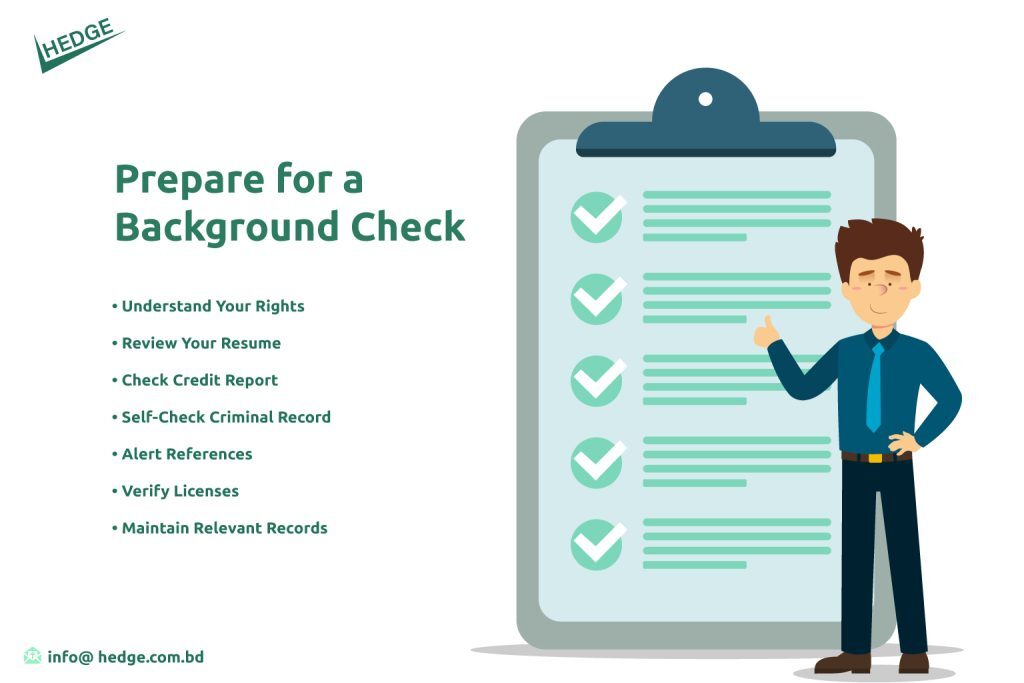
In the realm of background checks, consent and authorization are foundational pillars. These steps ensure that the process is conducted legally and ethically, respecting an individual’s privacy while fulfilling the legitimate needs of the requesting party. Understanding your rights and responsibilities regarding consent is crucial for a smooth and transparent background check experience.Providing consent for a background check is a formal acknowledgment that you permit a third party to access and review your personal information for specific purposes.
This permission is not only a matter of courtesy but often a legal requirement, particularly when the check is related to employment, housing, or volunteer positions. Without your explicit consent, most background checks cannot legally proceed.
Necessity of Providing Consent
The requirement for consent stems from privacy laws and regulations designed to protect individuals from unauthorized access to their sensitive data. For instance, in the United States, the Fair Credit Reporting Act (FCRA) mandates that employers obtain written consent from applicants before conducting a background check that includes consumer reports. This ensures that individuals are aware of and agree to the information being gathered about them.
Reviewing and Understanding Consent Forms
Before signing any consent form, it is imperative to review it thoroughly to understand its implications. A well-drafted consent form should clearly Artikel:
- The specific types of information that will be accessed (e.g., criminal history, employment verification, credit history, driving records).
- The purpose for which the information will be used (e.g., for employment consideration, rental application).
- The entities or individuals who will conduct the background check.
- The duration for which the consent is valid.
It is advisable to ask for clarification if any part of the form is unclear. Understanding the scope of the consent you are giving empowers you to make informed decisions and ensures transparency throughout the process.
Implications of Refusing to Provide Consent
Refusing to provide consent for a background check can have significant consequences, particularly in contexts where such checks are standard practice. For job applicants, a refusal may lead to the withdrawal of a job offer or the disqualification of their application. Similarly, for rental applications, a landlord may deny tenancy if consent is not granted. This is because the requesting party has a legitimate need to verify information and assess risk, and the refusal can be interpreted as an unwillingness to comply with standard procedures.
Period of Consent Validity
The period for which consent is typically valid can vary depending on the jurisdiction, the nature of the background check, and the specific wording of the consent form. However, in many employment contexts, consent is often granted for a specific period, such as the duration of the application process, or for a defined period (e.g., one year) for ongoing employment.
Some forms may grant consent for the “duration of employment” or a similar indefinite term, allowing for periodic re-checks. It is crucial to note the validity period stated in the consent form to understand when re-authorization might be required.
Demonstrating Professionalism and Honesty

In the realm of background checks, your conduct throughout the process is as crucial as the information itself. Approaching inquiries with professionalism and unwavering honesty not only facilitates a smoother experience but also leaves a lasting positive impression. This section Artikels how to effectively communicate and manage your responses, ensuring your integrity shines through.Demonstrating professionalism involves a combination of respectful communication, preparedness, and emotional regulation.
It’s about presenting yourself as a reliable and trustworthy individual, even when discussing potentially sensitive information. Honesty, on the other hand, is the bedrock of this demonstration, ensuring that all interactions are truthful and transparent.
Framework for Responding to Background Check Inquiries
Establishing a clear framework for responding to inquiries ensures consistency and confidence. This approach helps manage expectations and provides a structured way to address questions, making the process less daunting.A structured response framework can be built around these key components:
- Acknowledge and Understand: Begin by acknowledging the inquiry and ensuring you fully understand what information is being requested and the purpose of the request. If anything is unclear, politely ask for clarification.
- Gather Relevant Information: Before responding, take a moment to gather any necessary documentation or information that supports your background. This might include employment records, educational certificates, or personal references.
- Formulate a Concise Answer: Prepare a clear, direct, and concise answer to each question. Avoid unnecessary jargon or lengthy explanations unless specifically requested.
- Maintain a Professional Tone: Throughout your communication, maintain a respectful and professional demeanor. This includes your choice of words, tone of voice (if speaking), and the overall presentation of your responses.
- Offer Further Assistance: Conclude by offering to provide additional information or clarification if needed, reinforcing your willingness to cooperate.
Communicating Truthfully and Concisely
Truthfulness is paramount, and conciseness ensures your message is delivered effectively without ambiguity. Striking this balance builds trust and demonstrates respect for the inquirer’s time.When communicating your background, consider these principles:
- Directness: Answer questions directly and avoid evasiveness. If a question pertains to a past challenge, address it head-on rather than trying to circumvent it. For instance, instead of saying “I had some employment gaps,” a more direct approach would be, “I took a period of [specific reason, e.g., parental leave, further education] between [date] and [date].”
- Accuracy: Ensure all information provided is factually correct. Double-check dates, titles, and any other details before submitting them.
- Brevity: Keep your answers as brief as possible while still being comprehensive. For example, when asked about previous roles, state your title, the company, and your primary responsibilities succinctly. “As a Marketing Coordinator at XYZ Corp from 2018 to 2021, I managed social media campaigns and assisted with event planning.”
- Contextualization (When Necessary): While conciseness is key, sometimes a brief explanation provides necessary context. If there was a disciplinary action in a past role, for example, you might state the fact and then briefly explain the situation and what you learned from it. “There was a minor policy infraction in 2019 regarding [briefly state infraction]. I took full responsibility, and it led me to implement [specific action] to ensure it wouldn’t happen again.”
Strategies for Maintaining Composure
The background check process can sometimes feel like an interrogation, making it essential to have strategies for remaining calm and collected. Composure demonstrates maturity and self-control, qualities highly valued in any professional setting.To maintain your composure, implement the following strategies:
- Preparation is Key: The more prepared you are with accurate information and a clear understanding of the process, the less likely you are to feel flustered. Rehearse potential answers to common questions.
- Practice Mindfulness: Techniques like deep breathing exercises can be incredibly effective in moments of stress. Before or during the interaction, take slow, deep breaths to center yourself.
- Focus on Facts: Ground yourself by focusing on the factual information you are providing. Remind yourself that the process is standard and designed to gather objective data.
- Avoid Emotional Responses: Even if a question feels accusatory or sensitive, strive to respond factually and professionally, rather than emotionally. Detach yourself from the personal impact of the question and focus on delivering the required information.
- Take Breaks (If Possible): If the process involves multiple stages or extended conversations, don’t hesitate to politely ask for a brief pause if you feel overwhelmed. This can provide a moment to collect your thoughts.
Long-Term Benefits of Integrity in Background Checks
Upholding integrity throughout the background check process yields significant long-term advantages that extend far beyond securing a specific opportunity. It shapes your reputation and influences future professional interactions.The enduring benefits of demonstrating integrity include:
- Enhanced Reputation: Consistently being truthful and transparent builds a reputation for reliability and trustworthiness, which is invaluable in any career.
- Stronger Professional Relationships: Colleagues, supervisors, and clients are more likely to trust and value individuals they perceive as honest and ethical.
- Reduced Future Scrutiny: A clean and honest background check history can streamline future employment processes, as your integrity will be an established factor.
- Personal Peace of Mind: Knowing you have acted with honesty provides a sense of self-respect and reduces the anxiety associated with potential future revelations or misrepresentations.
- Ethical Leadership Foundation: For those aspiring to leadership roles, a commitment to integrity sets a powerful example and forms the foundation for ethical decision-making and organizational culture.
Integrity is the foundation upon which trust is built, and trust is the currency of professional success.
Navigating Post-Check Procedures

Once the background check process is complete, understanding the subsequent steps is crucial for a smooth transition, whether you are the candidate or the employer. This phase involves interpreting the findings and addressing any potential issues that may arise. A clear comprehension of what happens next ensures transparency and fairness throughout the hiring or screening process.The completion of a background check marks a significant point in the evaluation process.
It is at this stage that the gathered information is reviewed and assessed against the requirements of the position or the purpose of the check. The outcomes can lead to various actions, from proceeding with an offer of employment to initiating further inquiries.
Interpreting Background Check Results
Interpreting the results of a background check requires careful consideration of the information presented and its relevance to the role or situation. Different types of checks will yield varying types of data, and understanding what each piece of information signifies is key to making informed decisions.The primary categories of information typically found in a background check report include:
- Criminal History: This section details any past convictions, arrests, or pending legal actions. The significance of this information depends heavily on the nature of the offense, its recency, and its relation to the responsibilities of the position. For instance, a past misdemeanor unrelated to theft might have less impact on a role requiring financial trust compared to a recent felony conviction for embezzlement.
- Employment Verification: This confirms the accuracy of the candidate’s stated work history, including dates of employment, job titles, and reasons for leaving. Discrepancies here can indicate dishonesty or misrepresentation.
- Education Verification: This confirms the authenticity of academic credentials, degrees, and certifications claimed by the candidate.
- Credit History: For roles involving financial responsibility or access to sensitive financial data, credit reports may be reviewed. This typically includes information on credit scores, payment history, and outstanding debts. A pattern of significant financial distress might be a concern for certain positions.
- Reference Checks: Feedback from professional references provides insights into a candidate’s performance, work ethic, and interpersonal skills in previous roles.
Addressing Discrepancies Found After the Check
Discovering discrepancies in a background check report necessitates a structured approach to ensure fairness and accuracy. Both candidates and employers have defined rights and responsibilities when such issues arise.If a candidate believes there is an inaccuracy in their background check report, the first step is to contact the background check agency or the employer who commissioned the check. Many jurisdictions have laws, such as the Fair Credit Reporting Act (FCRA) in the United States, that grant individuals the right to review their reports and dispute any inaccuracies.For employers, when a discrepancy is identified that might impact their hiring decision, a common procedure is to follow an “adverse action” process.
This typically involves:
- Providing the candidate with a copy of the background check report and a summary of their rights under relevant laws.
- Giving the candidate a reasonable period to review the report and respond to any findings.
- Considering the candidate’s explanation or dispute before making a final decision.
It is important to remember that the goal is to make a decision based on accurate information and to provide a fair opportunity for the candidate to address any errors.
Seeking Further Assistance or Clarification
Navigating the complexities of background checks and their outcomes can sometimes require expert guidance. Fortunately, several resources are available to provide assistance and clarification.Candidates facing issues with their background checks, such as inaccuracies or potential adverse actions, can seek help from:
- Consumer Protection Agencies: Organizations like the Federal Trade Commission (FTC) in the U.S. offer guidance on consumer rights related to credit reports and background checks.
- Legal Counsel: An attorney specializing in employment law can provide personalized advice and representation if significant legal issues arise.
- The Background Check Agency: Most reputable agencies have customer service departments that can help clarify report details and explain dispute processes.
Employers seeking to ensure compliance with legal requirements and best practices in conducting background checks can consult:
- Legal Advisors: Employment lawyers can offer expertise on federal, state, and local regulations governing background checks.
- Industry Associations: Professional organizations often provide resources, training, and best practice guidelines for HR professionals and recruiters.
- Background Check Service Providers: Reputable vendors can offer compliance support and guidance on interpreting reports.
By leveraging these resources, individuals and organizations can navigate the post-check procedures with greater confidence and ensure a fair and legally compliant process.
Outcome Summary
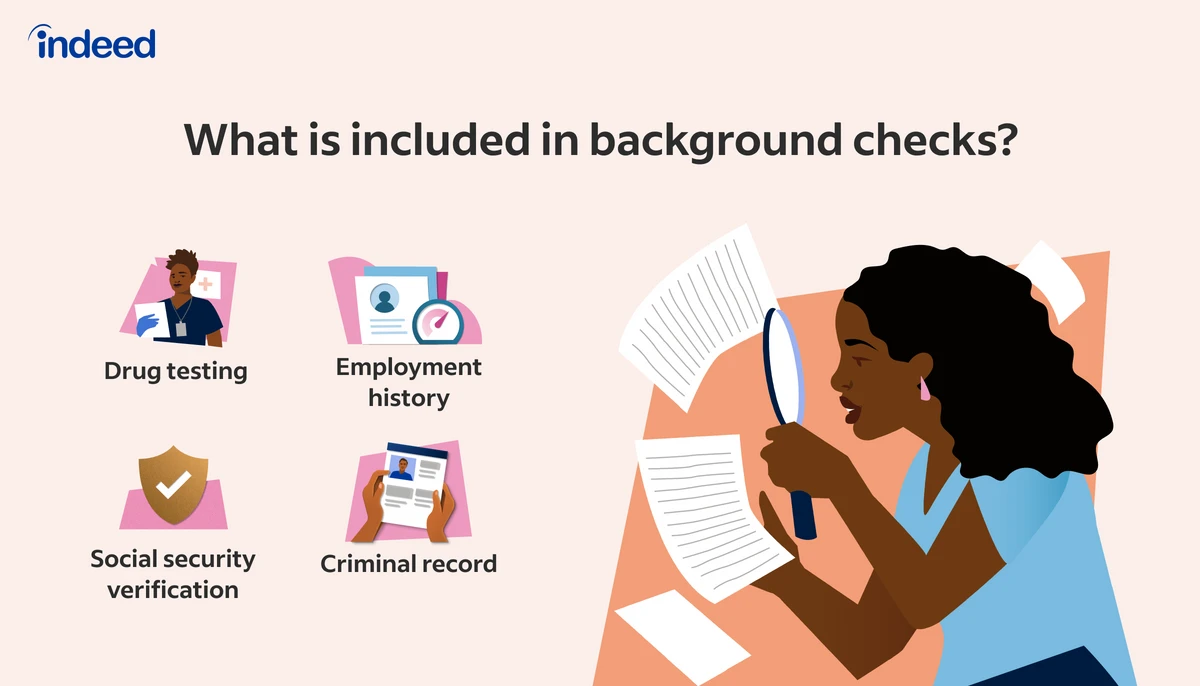
Navigating the background check process can seem complex, but by understanding its purpose, diligently gathering your information, and proactively addressing any potential issues, you can present your best self. Remember that honesty and transparency are your strongest allies, leading to a smoother experience and reinforcing your integrity. This comprehensive preparation empowers you to move forward with assurance, knowing you’ve taken all necessary steps.